Emerald Fennell’s ‘Wuthering Heights’ Is An Overwrought Fantasy
Warning: spoilers ahead.
Romeo and Juliet. Gatsby and Daisy. Heathcliff and Catherine. All of these famously doomed couples have defined what love looks like in modern literature. Their romances have graced our screens, one adaptation after another. Franco Zeffirelli’s 1968 ‘Romeo and Juliet’ was a traditional tale of misguided love, and wasted youth. Baz Luhrmann’s 2013 ‘The Great Gatsby’ has a decadent, dreamy backdrop for Gatsby’s one-sided love affair. One couple, though, stands out for their psychological stakes. “Catherine Earnshaw, Catherine Linton, and Catherine Heathcliff;” Catherine, mad with grief, traces this on her window ledge.
Emerald Fennell directed and wrote the 2026 adaptation of Emily Brontë’s 1847 classic Wuthering Heights. In an interview on Penguin Podcast UK, Fennell shared her first impression of the novel as a teenager; “It was so rich, it was so complicated, it was so difficult, and it gives you a visceral physical response.” Fennell defines the thing she loves, and is always hoping to make, as something that elicits a physical response. Fennell’s track record as a director certainly supports that. Her feature-length, directorial debut film ‘Promising Young Woman’ was a tale of sugar-sweet feminist revenge. Cassandra Thomas (Carrie Mulligan) goes out at night to attract and trap predators.
Fennell’s second film ‘Saltburn’ garnered attention for its toxic romance. Oliver Quick (Barry Keogan) spends the summer with Felix Catton (Jacob Elordi) in his family’s grandiose estate. Oliver harbors an obsessive love for his Oxford classmate, which leads him down a dark and indulgent path. While the film received praise for its performances, it drew criticism for its lack of substantial plot. Variety’s Peter Debruge put it best: “Fennell wants to make an impression, embracing the ‘bizart-house strategy’ of baiting audiences with something they’ve never seen before, and which they’ll be obliged to discuss with others.”
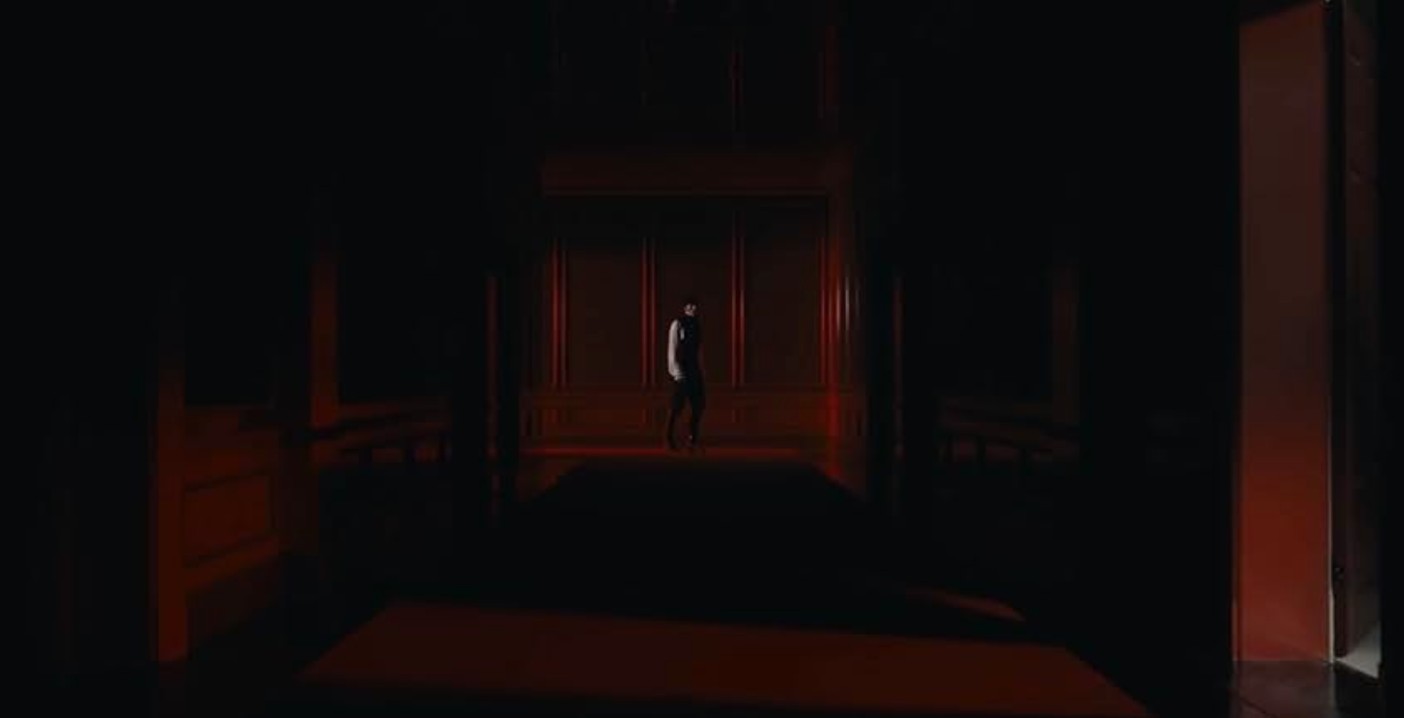
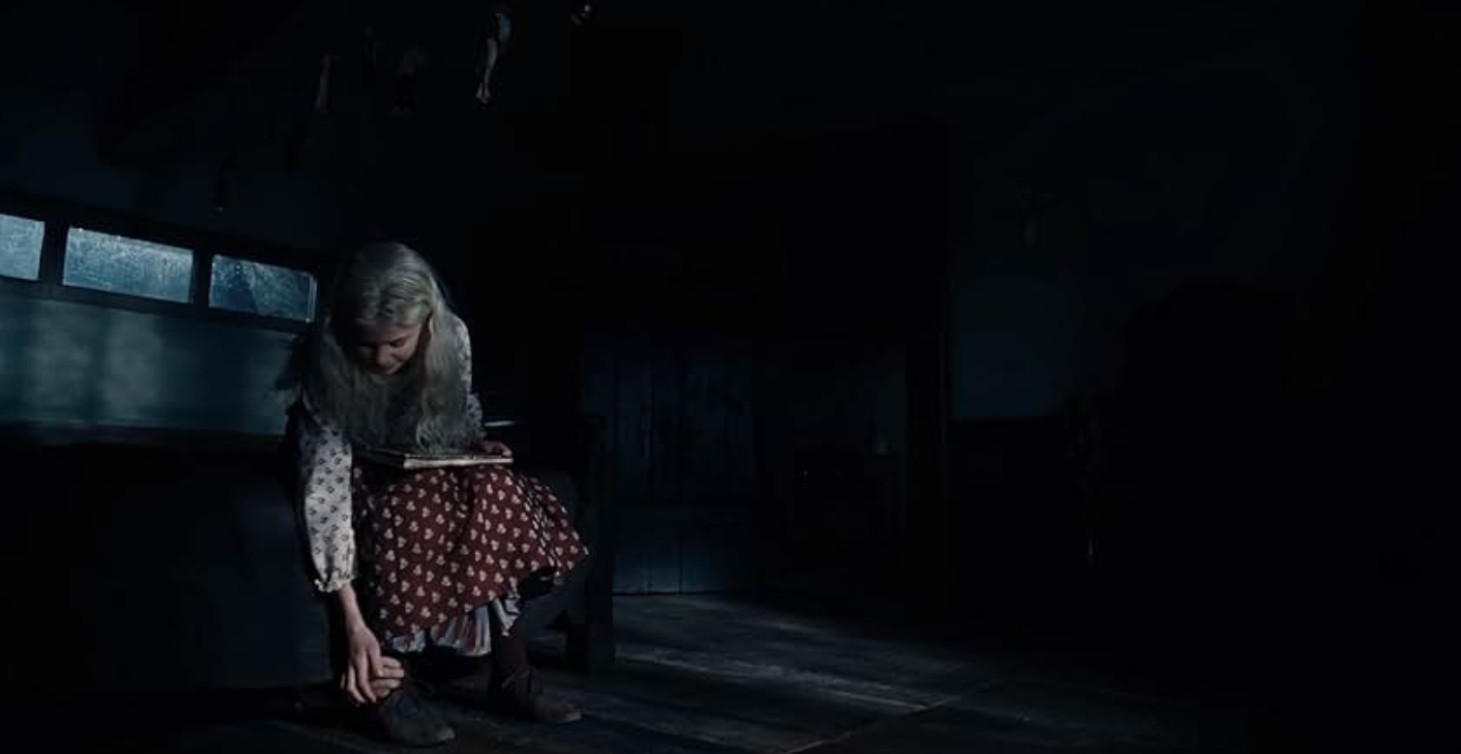
The same issue isn’t absent within her third film ‘Wuthering Heights.’ It opens with a public hanging, the townsfolk entranced and aroused by it. The shots of the body, an anonymous man in plainclothes, sexualize his suffering. Fennell has said that she wanted to set the tone: “It was important to acknowledge early on that arousal and danger are kind of the same thing–that is what the Gothic is.” In the film, young Catherine Earnshaw looks on with a smile on her face. She returns home, to the dreary and crooked Wuthering Heights, and meets the “pet” her father has brought her. Catherine names the boy after her dead brother, Heathcliff.
The scenes between Cathy and Heathcliff (Charlotte Mellington and Adolescence’s Owen Cooper) are the most genuine moments of the film. Cooper and Mellington play off each other, honing in on the innocence of their characters’ love.
As they grow up, Heathcliff’s feelings evolve from protectiveness into lust. Older Catherine (Barbie’s Margot Robbie) keeps a distance between them. She agrees to marry Edgar Linton, brought sweetly to life by Shazard Latif. In a pivotal scene, she confesses to Nelly Dean (Hong Chau) that it would now degrade her to marry Heathcliff. Heathcliff leaves, devastated, before he can hear Cathy declare her love for him: “Whatever our souls are made of, his and mine are the same.” Robbie and Chau are a commanding duo. Chau approaches the character with biting humor, and a blinding moral code. In this adaptation, Nelly Dean is the forgotten daughter of a lord. Originally, she was a mere housekeeper.
Amid a hallucinatory montage, with Charli XCX’s “Chains of Love” blasting, Cathy settles at Thrushcrosse Grange. Five years later, Heathcliff returns handsome and wealthy. He appears to Cathy from behind a wall of fog, like he’s been waiting in the wings. She’s furious, but when her anger fades, she embraces him. His reintroduction marks a tonal shift within the film. Their fates become intertwined; and everyone who stands in their way becomes collateral.
Jacob Elordi convincingly plays Heathcliff as desperate, and rage-stricken. Heathcliff begrudges Cathy for moving on. Directly pulled from the novel, Heathcliff says, “You are welcome to torture me to death for your amusement, only, allow me to amuse myself a little in the same style.” In the same breath, he declares that he’d “cut his throat” if he thought Cathy would wish him to marry Isabella Linton. Fennell has said that she believes Heathcliff’s allure lies in his acceptance of Cathy’s flaws. While this may be true, it implies that his affection overrides his resentment. The romance between Cathy and Heathcliff is inherently destructive, and no amount of true love can overcome that.
Heathcliff’s arc is essentially “the abused becomes the abuser.” Readers were outraged by Fennell’s decision to cast a white man, as young Heathcliff is described as a ‘gipsy brat’ who’s “dark almost as if [he] came from the devil.” Along with this, Cathy’s older brother Hindley is absent from Fennell’s adaptation. She instead imbues Mr. Earnshaw with Hindley’s reckless personality. Martin Clunes tries his best to show his character’s cruelty, whipping the boy for making him and Catherine miss his birthday dinner. Still, what we don’t see is just as significant. Mr. Earnshaw dotes on Heathcliff in Wuthering Heights, punishing Hindley if he bullies him. Once Hindley replaces his father as ‘master of the house,’ he degrades the boy to a servant. Without this context, we don’t understand why or how Heathcliff has become spiteful.

Allison Oliver’s Isabella Linton, though, is a force to be reckoned with. Her youth clashes with her sexual curiosity. She’s described as naive, yet reveling in control. In Wuthering Heights, she’s an idealist who falls prey to Heathcliff’s advances. Fennell gained flack for her portrayal of domestic abuse. She depicted Heathcliff’s mistreatment of her as a consensual, BDSM kink. The scene of Isabella crawling on the floor, in a dog collar, was received poorly online. One post from the subreddit r/shittymoviedetails described the scene as “hilarious and melodramatic.” This is problematic, considering that Wuthering Heights’s Isabella does suffer. Scholar Judith E. Pike makes a note-worthy comment: “[Brontë] does not render Isabella’s development so incredulous to the reader as to make her character unbelievable; thus, she shows how Isabella still harbors naive expectations about her new abode.” Fennell, by getting rid of her ‘victim status,’ erases what made the original Isabella interesting.
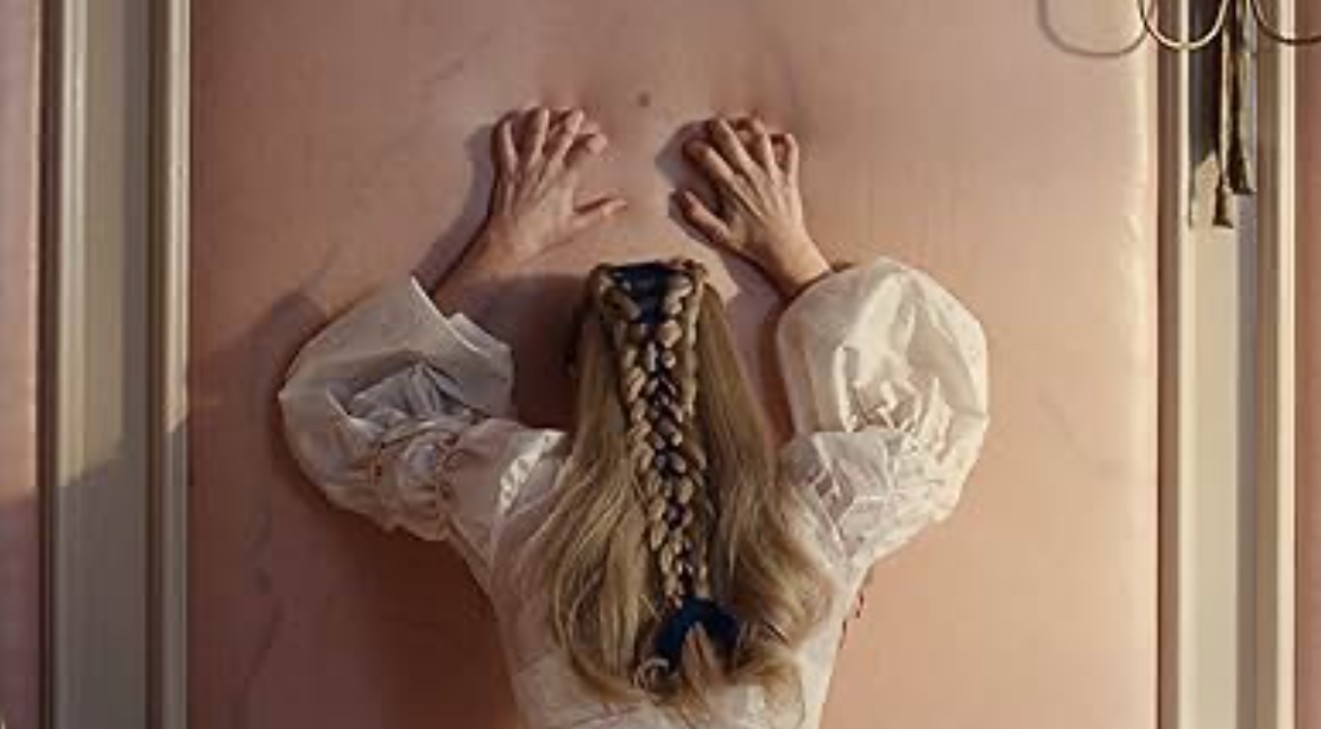
This discussion of girlhood brings me to Robbie’s Catherine. Her portrayal is surprisingly tender, but it strays far from Emily Brontë’s vision. In Wuthering Heights, Cathy is a spoiled and selfish young woman. After spending five weeks being nursed by Edgar Linton, she returns home supposedly refined. However, as Nelly says, “at home she had small inclination to practice politeness that would only be laughed at.” This is the most compelling aspect of Catherine: despite her fair beauty and high social status, she’s unworthy of praise. Robbie’s Catherine, by comparison, is superficial. Production designer Suzie Davies unsubtly signals that Cathy feels trapped in her new marriage, making her bedroom’s walls as pink and veiny as her skin. Davies wanted the room to feel uncomfortable, like something’s not quite right. The set design is exquisite; but with the rose-colored material Robbie’s given, Catherine still doesn’t feel real. She’s certainly not a woman who would tell her husband, “You are one of those things that are ever found when least wanted, and when you’re wanted, never!”
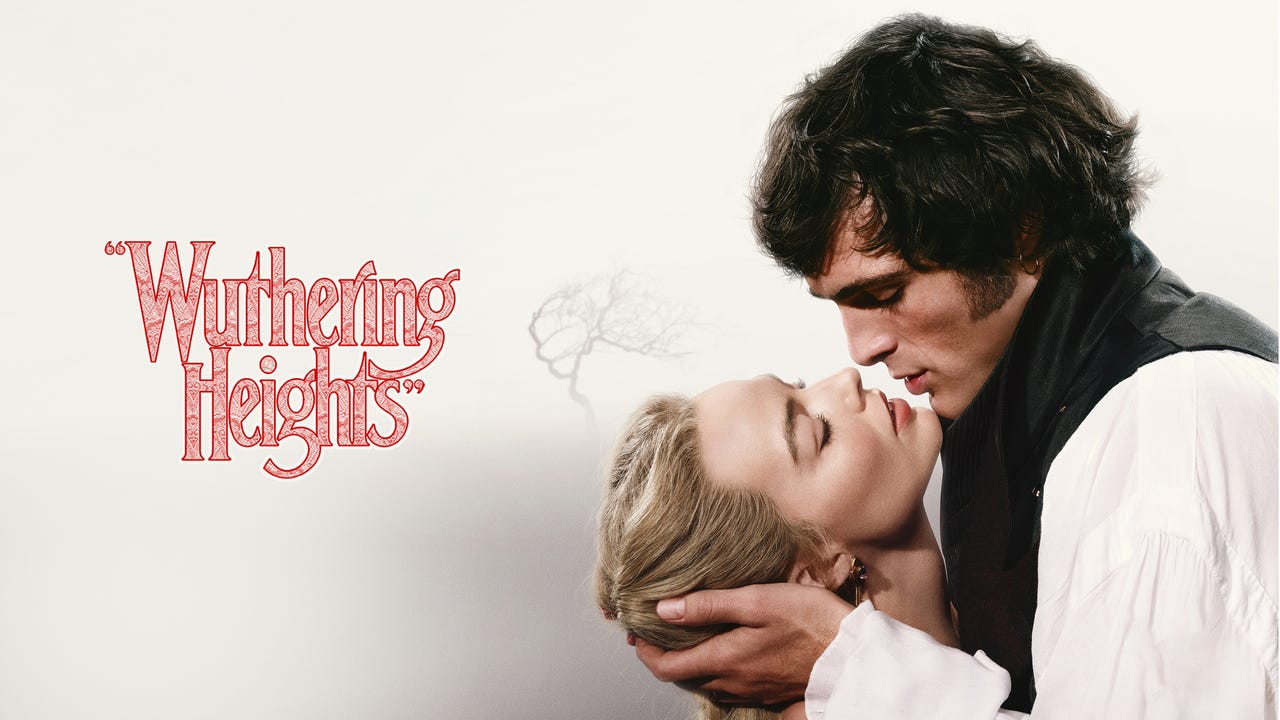
The ending of the film is a grotesque, sentimental spectacle. Septic blood flows poetically from the bed, and crawls up the flush walls. Heathcliff caresses Cathy’s pale face, and speaks the words that have haunted readers: “Be with me always–take any form–drive me mad! Only do not leave me in this abyss, where I cannot find you!” Despite their tear-jerking effect, and Elordi’s prowess, it leaves you asking yourself: “Why should I care?” Fennell barely scratches the surface of what made Emily Brontë’s work harrowing — her marketing strategy is enough proof. The comment sections for the movie’s instagram posts call the film sexy and sad. Fans pretend they’re Robbie, reenacting the poster where Elorid sultrily leans over her. If one thing is utterly true, it’s that this isn’t Wuthering Heights. This is a dime-store fantasy that trades profundity for teenage angst.